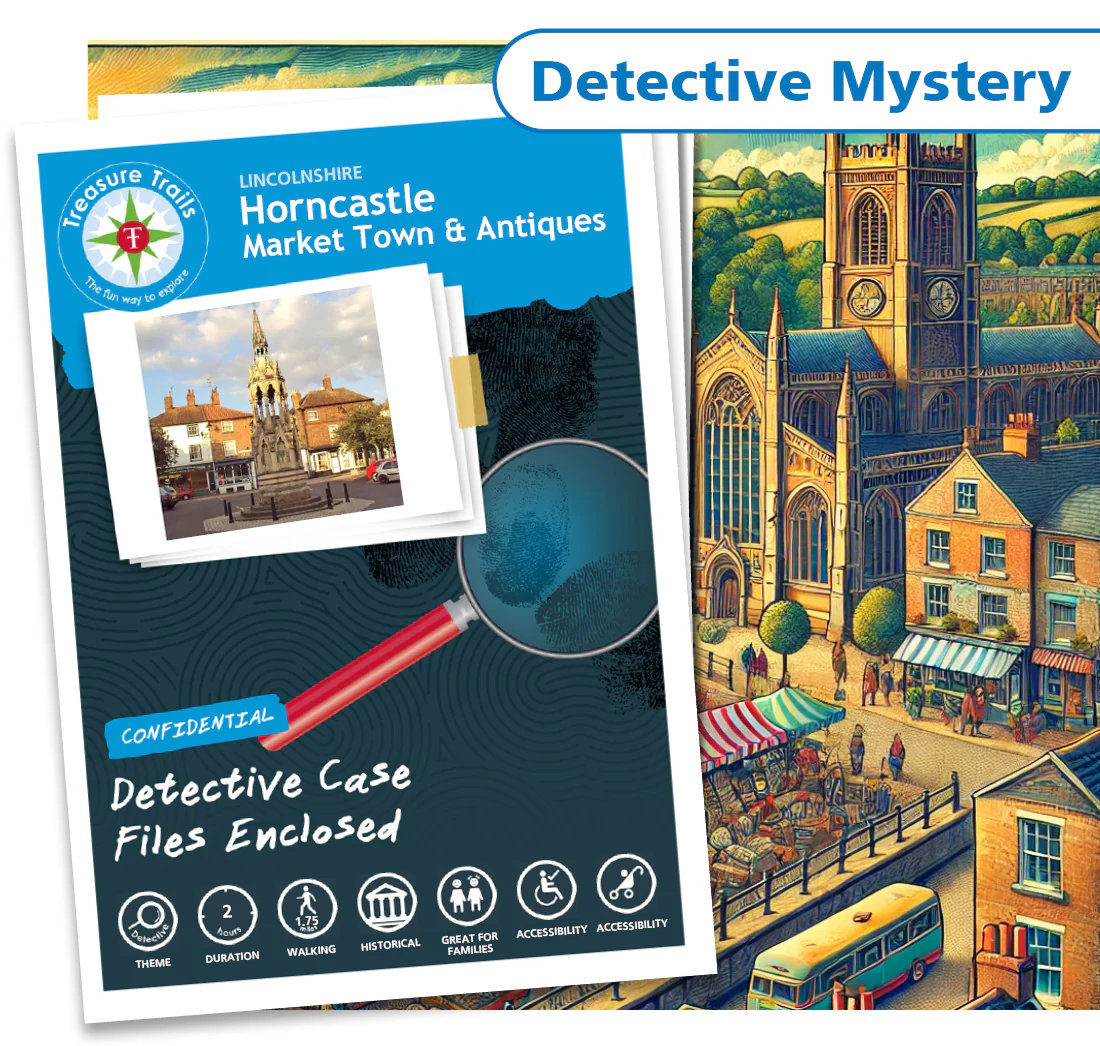
History of Horncastle
Horncastle, a historic market town on the River Bain, began as a 1st-century Roman settlement, often identified as Banovallum, and features preserved 4th-century Roman walls. Known as the “gateway to the Lincolnshire Wolds,” it was a major trading center, famous for its 13th-century Royal Market Charter and a massive August horse fair that ran until 1948.
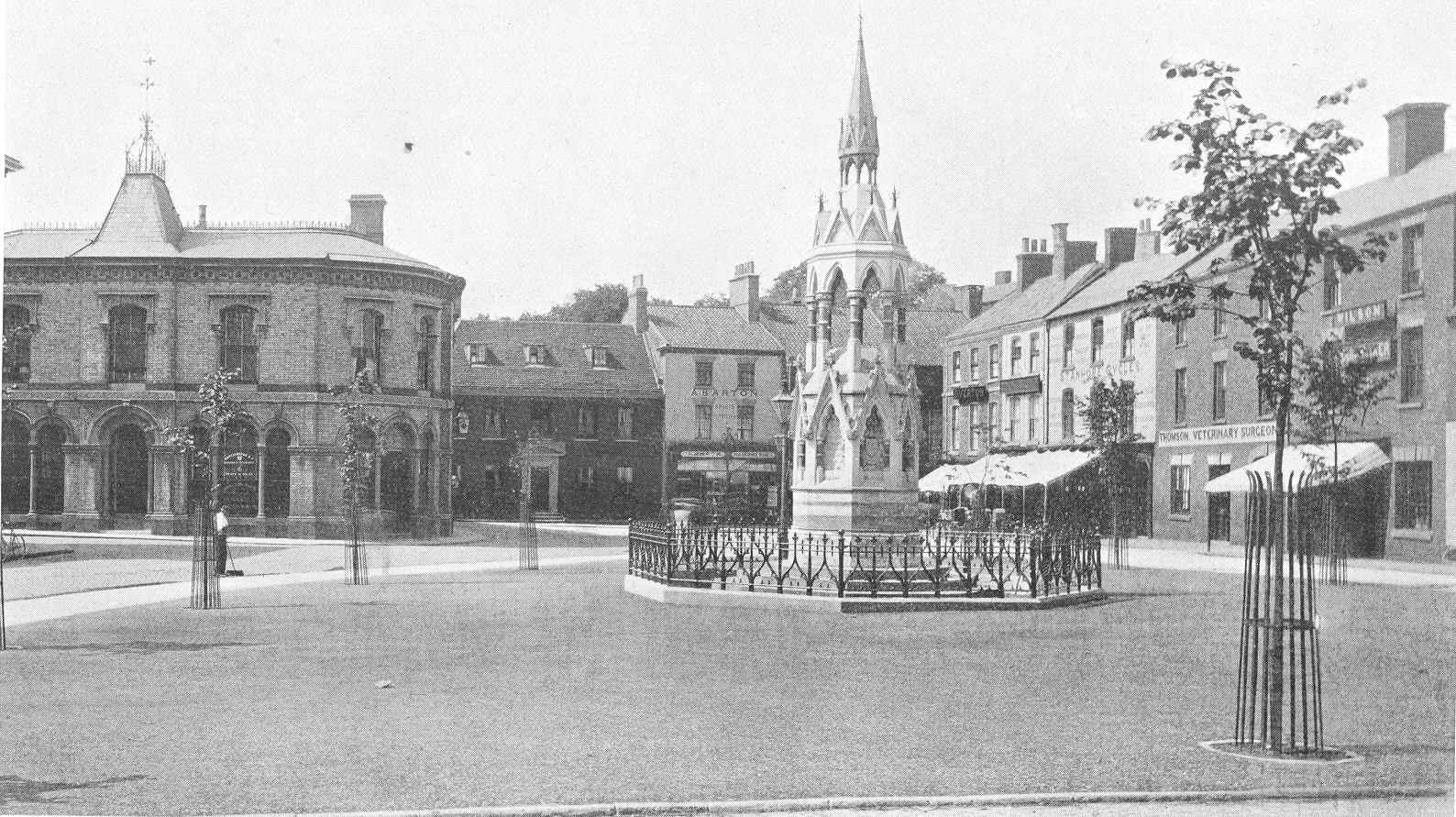
The Romans built a fort at Horncastle, which possibly became a Saxon Shore Fort. Although fortified, Horncastle was not on any important Roman roads, which suggests that the River Bain was the principal route of access.
Roman Horncastle has become known as Banovallum (i.e. “Wall on the River Bain”). This name has been adopted by several local businesses and by the town’s secondary school – but in fact the actual Roman name for the settlement is not definitely known: Banovallum was suggested in the 19th century through an interpretation of the Ravenna Cosmography, a 7th century list of Roman towns and road-stations; Banovallum may in fact have been Caistor.
As a former Roman settlement, there are above ground remains of the Roman wall to be found in various parts of the town. The best preserved sections are on display within the Library where it is a major feature within the building.
Some local Roman finds are also on display at the Horncastle and Heritage Society, which is housed in the Sir Joseph Banks Centre on Bridge Street.
Treasure Hunt in Horncastle
Detective Mystery Trail